PEI 2
Walls and light use bathrooms
Fine on a wall or a guest bath that sees bare feet. Put it in a hallway and it dulls in a couple of years.
Local crews setting long lasting surfaces for wet zones and heavy traffic.
Tell us the rooms and we will send a written quote. No obligation.
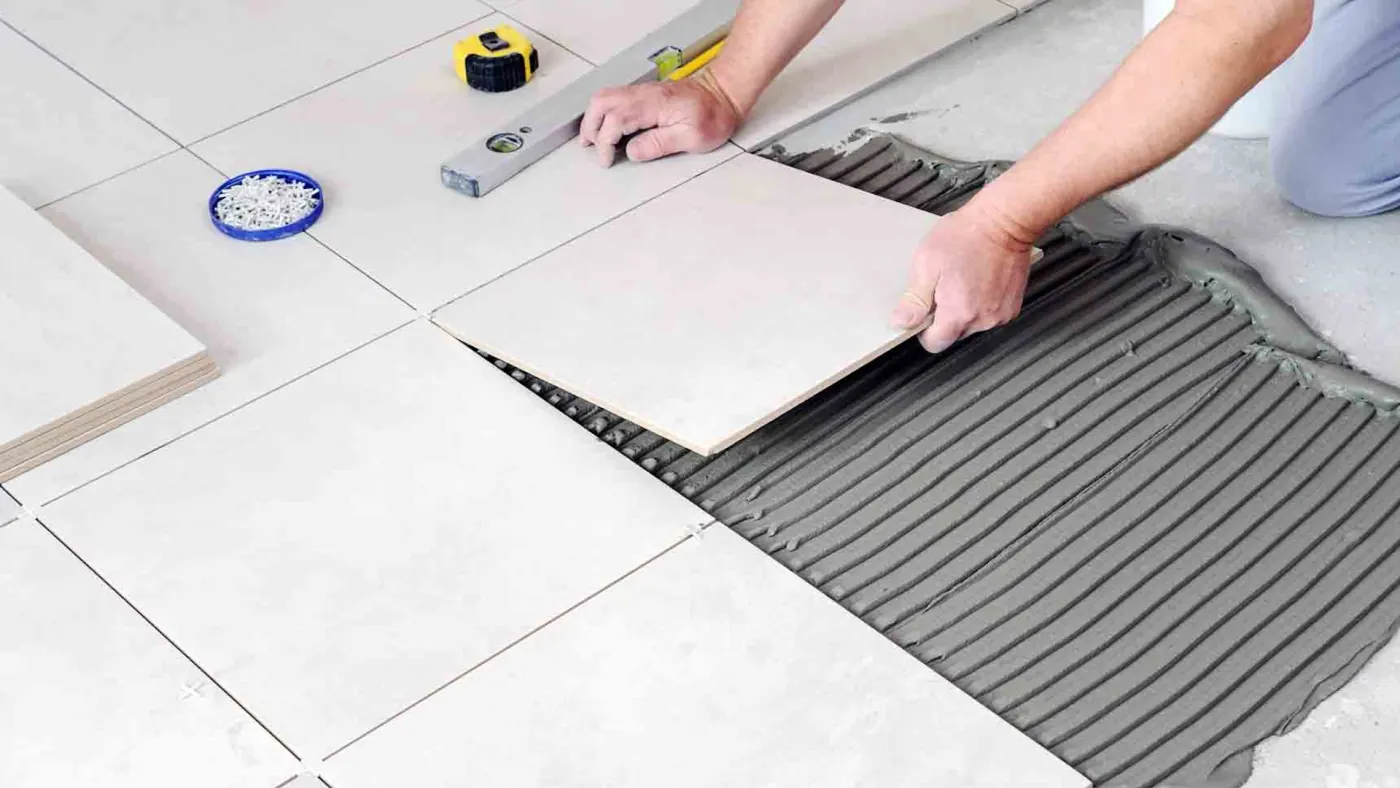
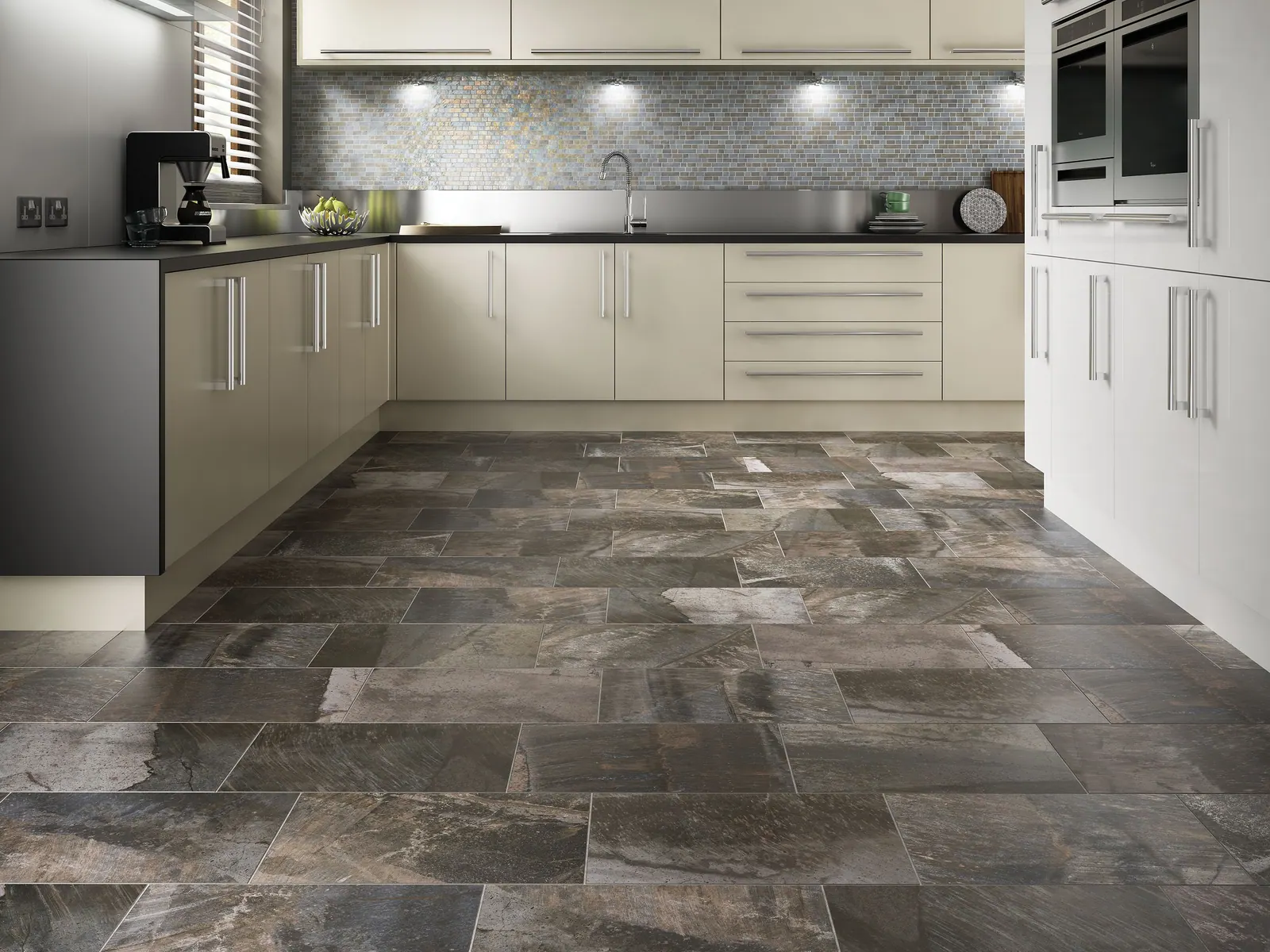
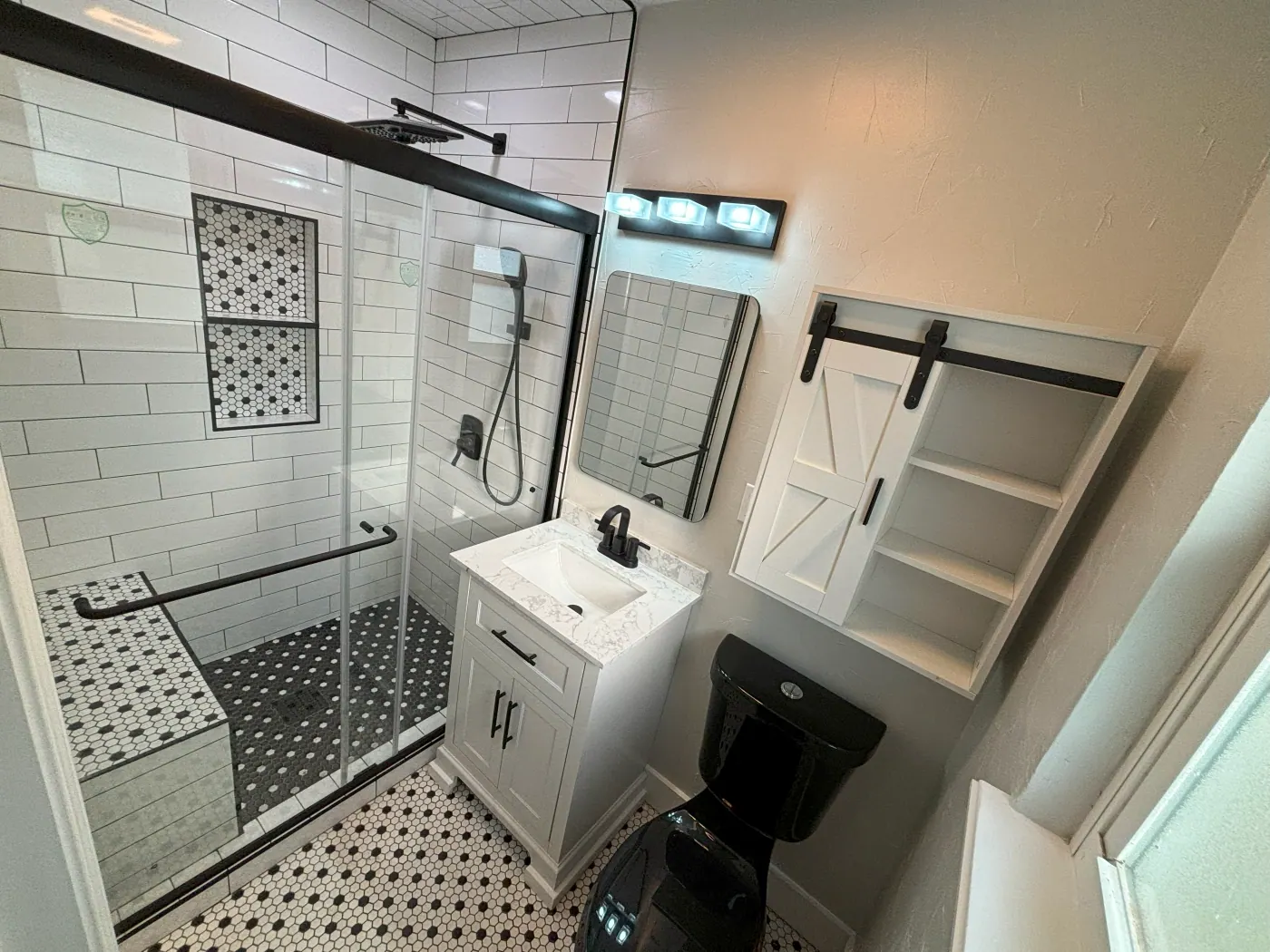
Tile is the floor you put where water lives. Bathrooms, mudrooms, laundry rooms, entryways, and kitchens all take abuse that plank and laminate eventually lose to, and a properly set tile floor outlasts everything else in the house.
The failures we get called to fix are almost never the tile. They are the substrate. Tile is rigid and unforgiving, so any flex or unevenness underneath shows up later as cracked grout or a loose tile. We flatten and stabilize the substrate first, dry lay the layout so cuts land where they are least visible, set with full mortar coverage, then grout and seal correctly. Call (918) 219-4848 for a free in home estimate.
Every cracked tile floor we get called out to fix failed for the same reason, and it is never the tile. Tile is rigid, so anything that moves underneath it eventually shows up as a cracked joint or a hollow tile. Four of these five layers are invisible once the job is done, which is exactly why they are the first things a cheap bid leaves out.
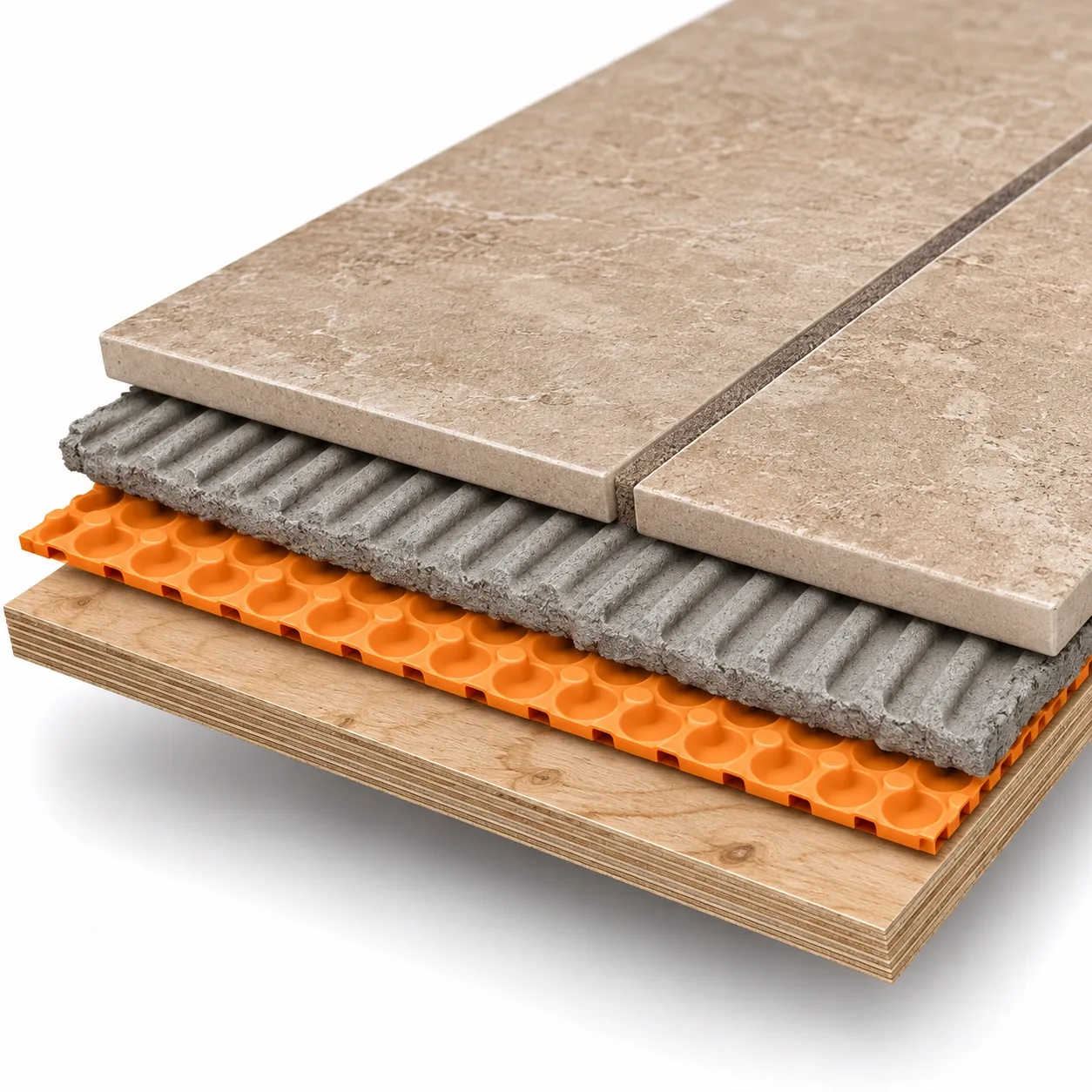
Where it starts. Any deflection, any squeak, any high spot travels straight up through everything above it. We flatten and refasten before anything else happens.
The layer that separates the tile from the subfloor so the two can move independently. Over a slab it also handles the crack that will eventually open in the concrete. This is the line most low bids delete.
Not glue and not a levelling compound. It bonds tile to substrate and needs full coverage under every tile, especially the corners. Spot bonding is the reason tiles sound hollow and pop loose.
The only part you ever see, and the least likely thing to fail. Density, size and PEI rating decide where it belongs, not what it costs.
Fills the joint and takes the daily abuse. Joint width should suit the tile rather than a default, and cement grout needs sealing while epoxy does not.
PEI is tile's abrasion scale, and it is the fastest way to tell whether a tile belongs on a floor at all or only on a wall.
Walls and light use bathrooms
Fine on a wall or a guest bath that sees bare feet. Put it in a hallway and it dulls in a couple of years.
Normal residential floors
The realistic minimum for a floor. Works in bedrooms, bathrooms and quiet living areas.
Kitchens, entries, pets, kids
Where we point most Tulsa homeowners. Handles grit tracked in from the driveway and dog nails without dulling.
Commercial traffic
More than a house needs, and the glaze options narrow. Worth it only in a mudroom or entry that takes real abuse.
PEI measures surface wear, not strength or water. A high PEI tile still cracks over a subfloor that flexes, and a glazed tile can still be slippery when wet. The rating, the substrate and the finish all have to be right.
Both are fired clay and both look the same on a showroom board. Density is the difference, and it decides which rooms each one survives.
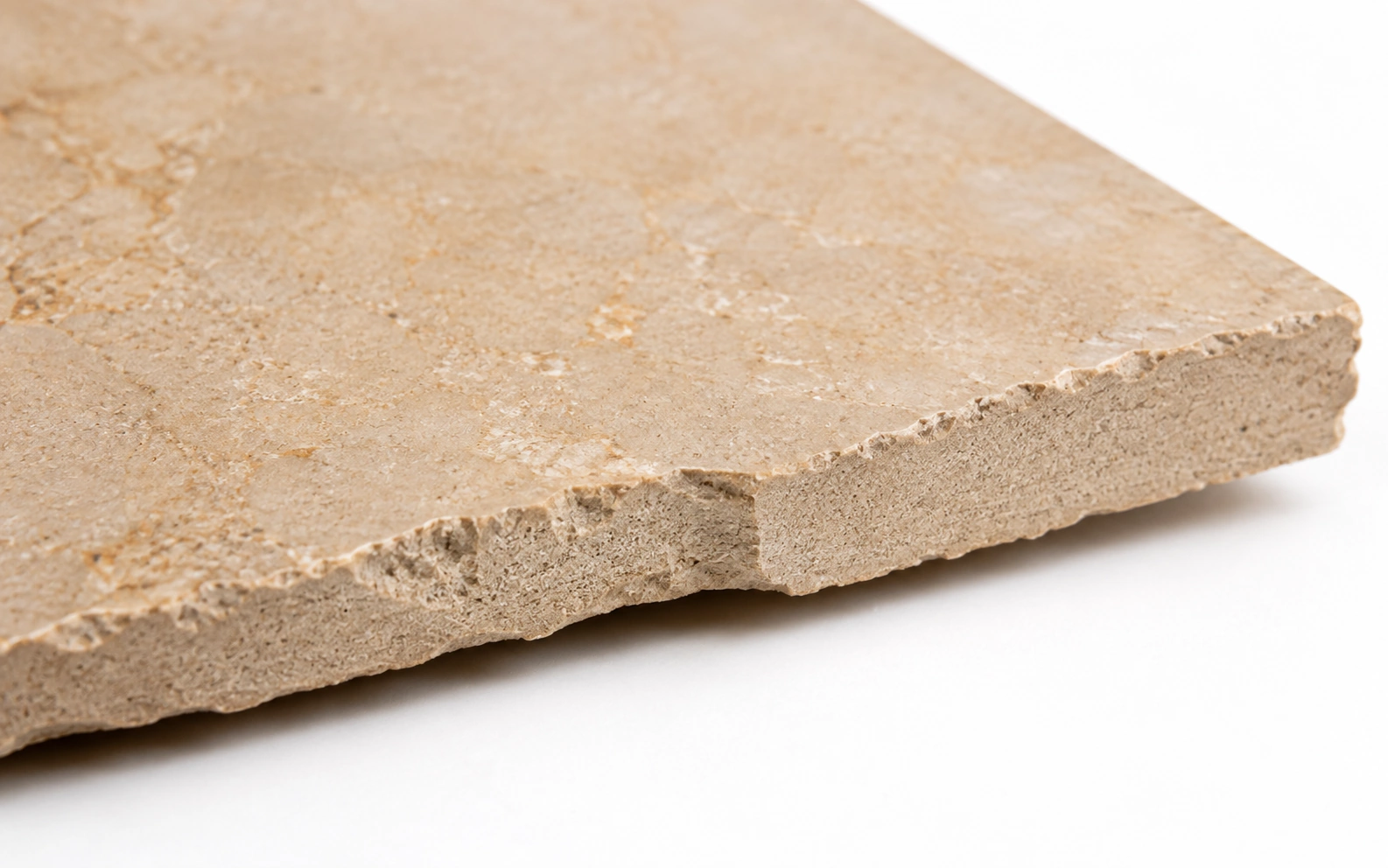 Dense body, the same colour all the way through
 Strengths
Trade offs
Best for: Entries, mudrooms, kitchens, laundry rooms, and any wood look plank tile.
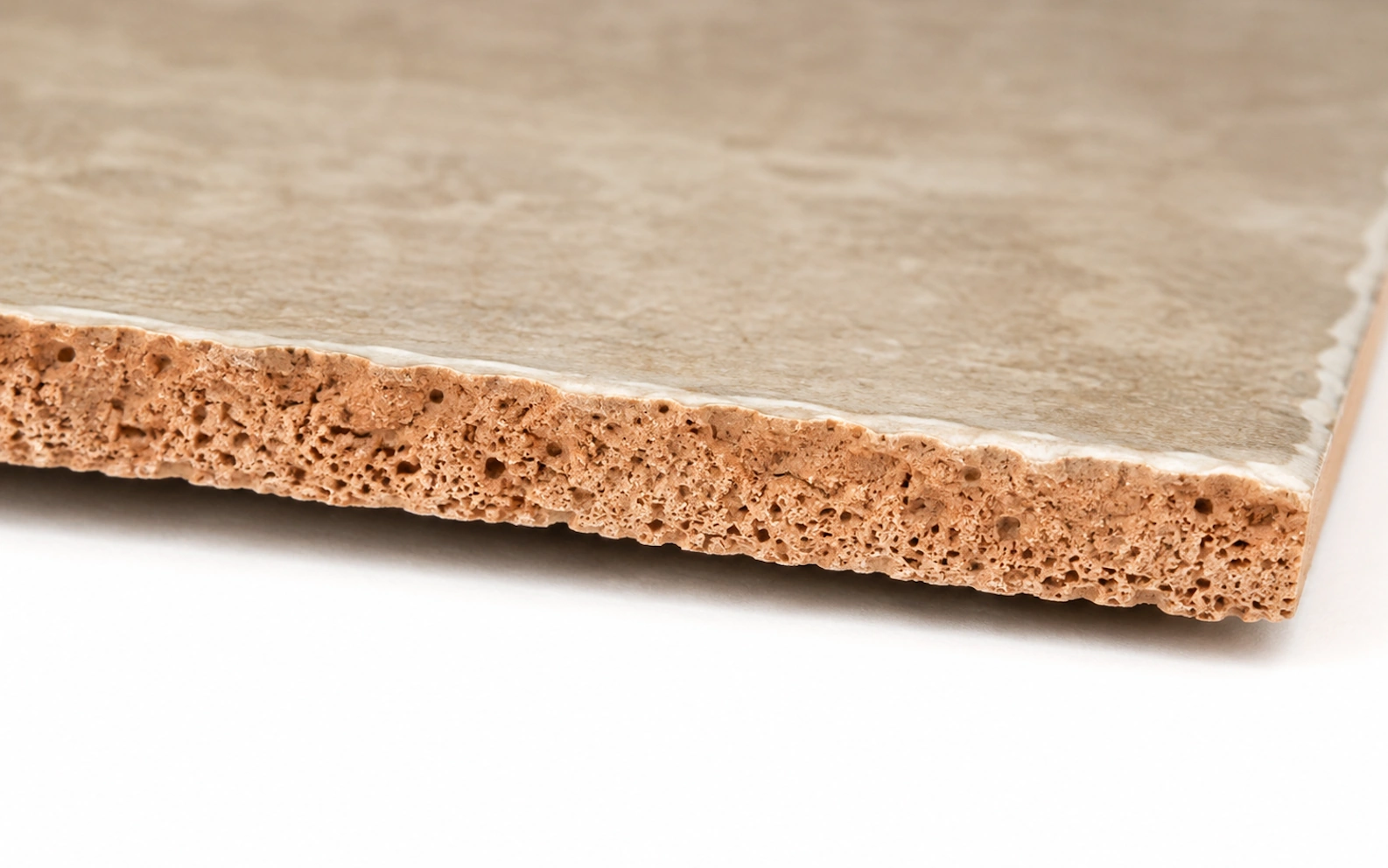 Thin glaze over a porous bisque body
 Strengths
Trade offs
Best for: Guest bathrooms, powder rooms and low traffic floors where budget drives the decision.
The two floors people actually choose between for a Tulsa kitchen or bathroom. Both handle water. Almost everything else about them is different.
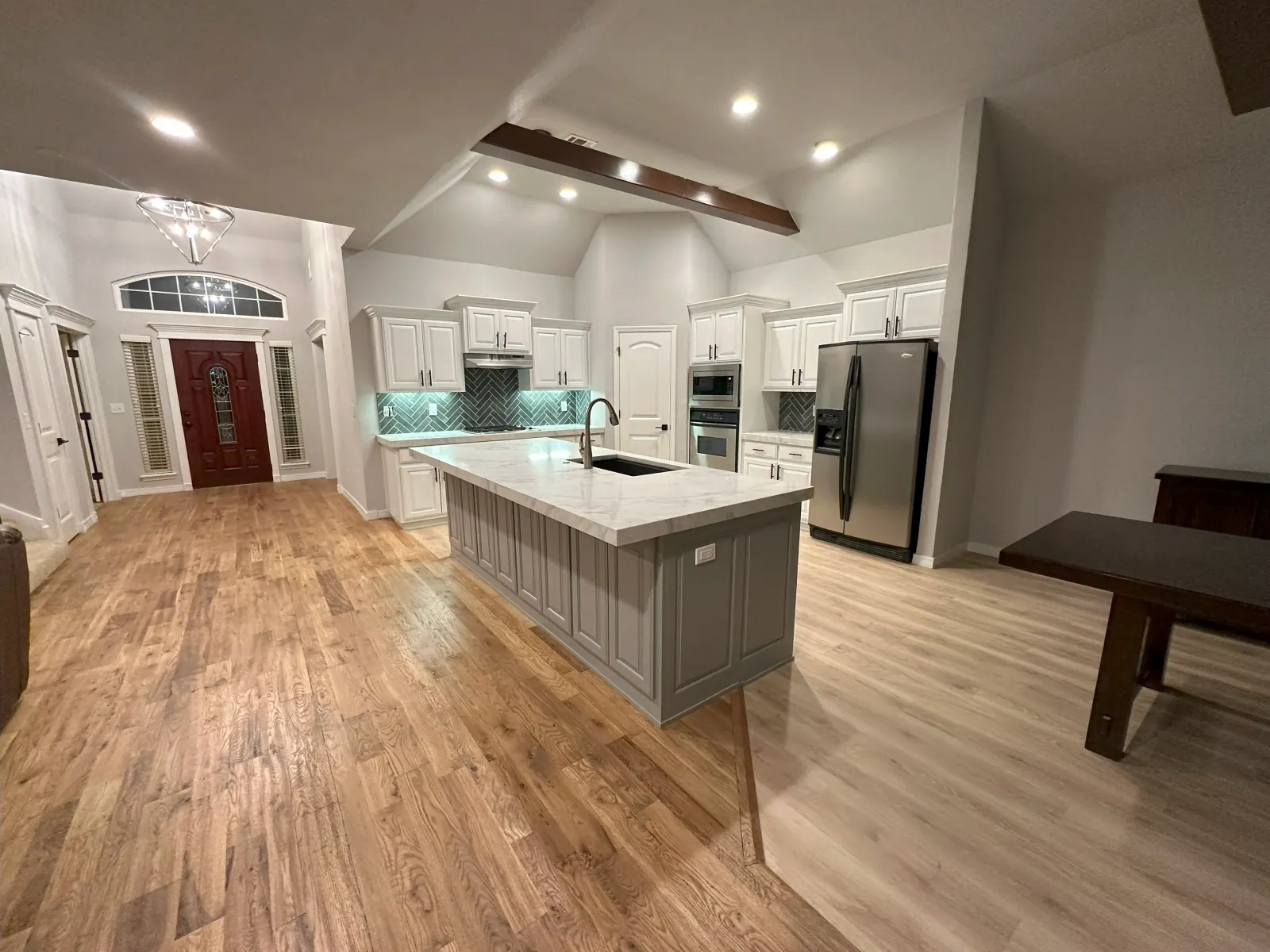
For a bathroom, a mudroom, or a laundry room, tile is the right answer and it is not close. For a whole house run where comfort underfoot and a fast install matter, LVP usually wins. Plenty of our jobs use both: tile in the wet rooms, plank everywhere else, with a clean transition between them.
The honest summary: tile is the most durable floor we install and the only one that is genuinely waterproof all the way through. It is also the slowest to install, the least comfortable to stand on, and the one where the prep you cannot see decides whether it lasts twenty years or two. That prep is most of what separates our quote from the cheapest one you will get.
Denser and less absorbent than ceramic, which is why it belongs in entryways, mudrooms, and anywhere that sees water and grit tracked in. It also handles a heavier chip without showing a different color underneath.
Softer, easier to cut, and less expensive. It is a reasonable choice for a low traffic bathroom floor where budget matters more than density.
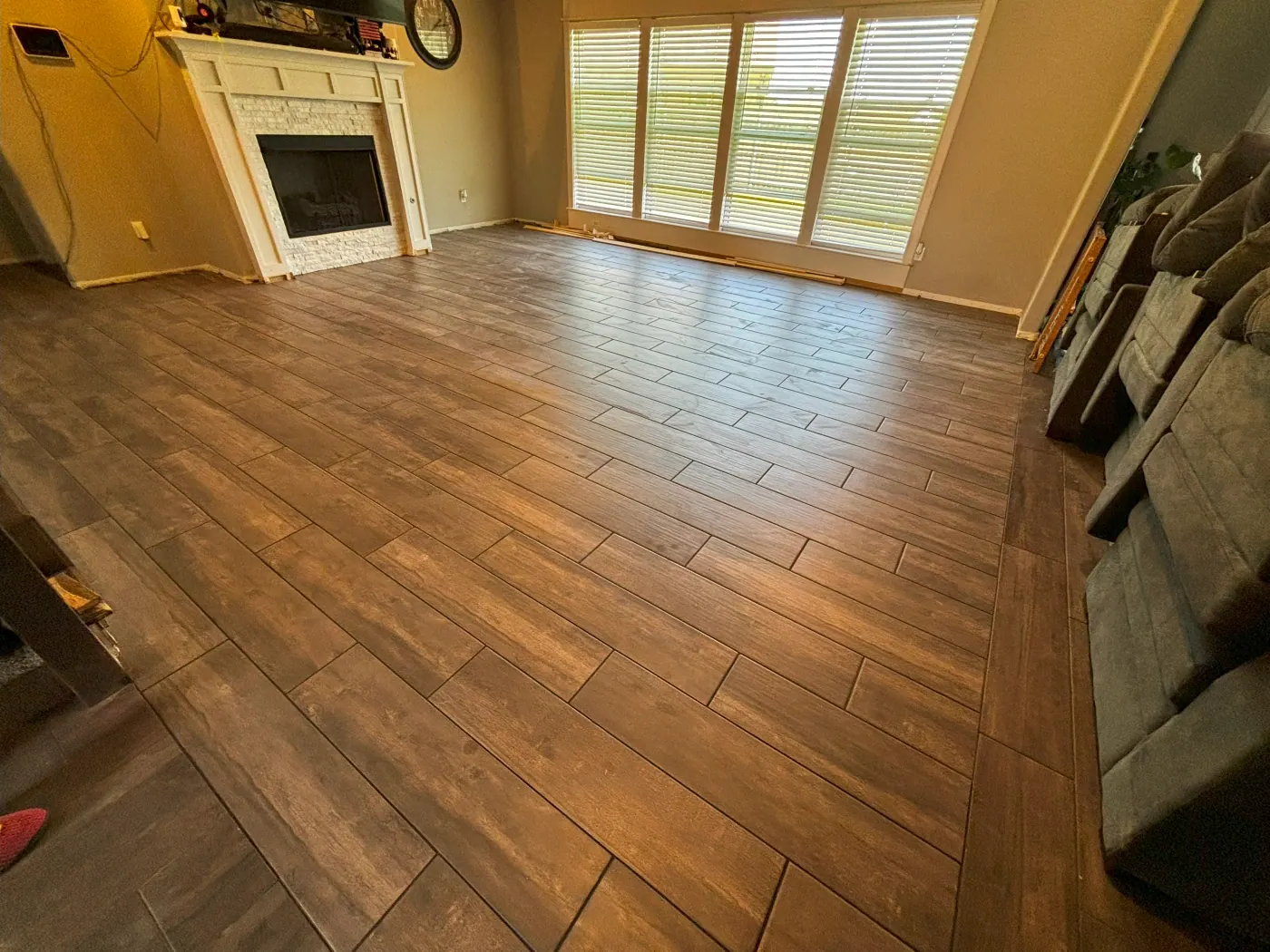
For homeowners who want the look of wood in a room that cannot take wood. Long format plank tile needs an especially flat substrate and a proper offset pattern to avoid lippage at the corners.
Fewer grout lines and a cleaner look, but the substrate tolerance gets tighter as the tile gets bigger. We flatten to the tile, not to a general standard.
Cement board, uncoupling membrane, or self leveler depending on what is under the floor. This is where a tile job is won or lost and it is the line most low bids leave out.
Grout color changes how the whole floor reads, and joint width should suit the tile rather than a default. We seal where the product calls for it and tell you when it needs redoing.
We measure, assess what is under the floor, and walk through tile type, size, layout and grout. You leave with a written line item quote.
We dry lay first so cut tiles land where you will not look at them, and the pattern runs square to the room rather than to a crooked wall.
Cement board, uncoupling membrane or self leveller depending on what we find. This is the stage that decides whether the floor lasts twenty years.
Set with full mortar coverage under every tile including the corners, then grouted at the joint width the tile calls for and sealed where it needs it.
We check the floor with you, clean grout haze and the site, and go over sealing and maintenance so the joints stay clean.
Free estimate, clear written pricing, and most installs finished in one to five days. Tell us about your project and we will send a clear written quote for luxury vinyl plank, laminate, hardwood, or tile. No obligation and no pressure.