AC1
Light residential, bedrooms only
Rarely worth buying. You will see wear in a hallway within a couple of years.
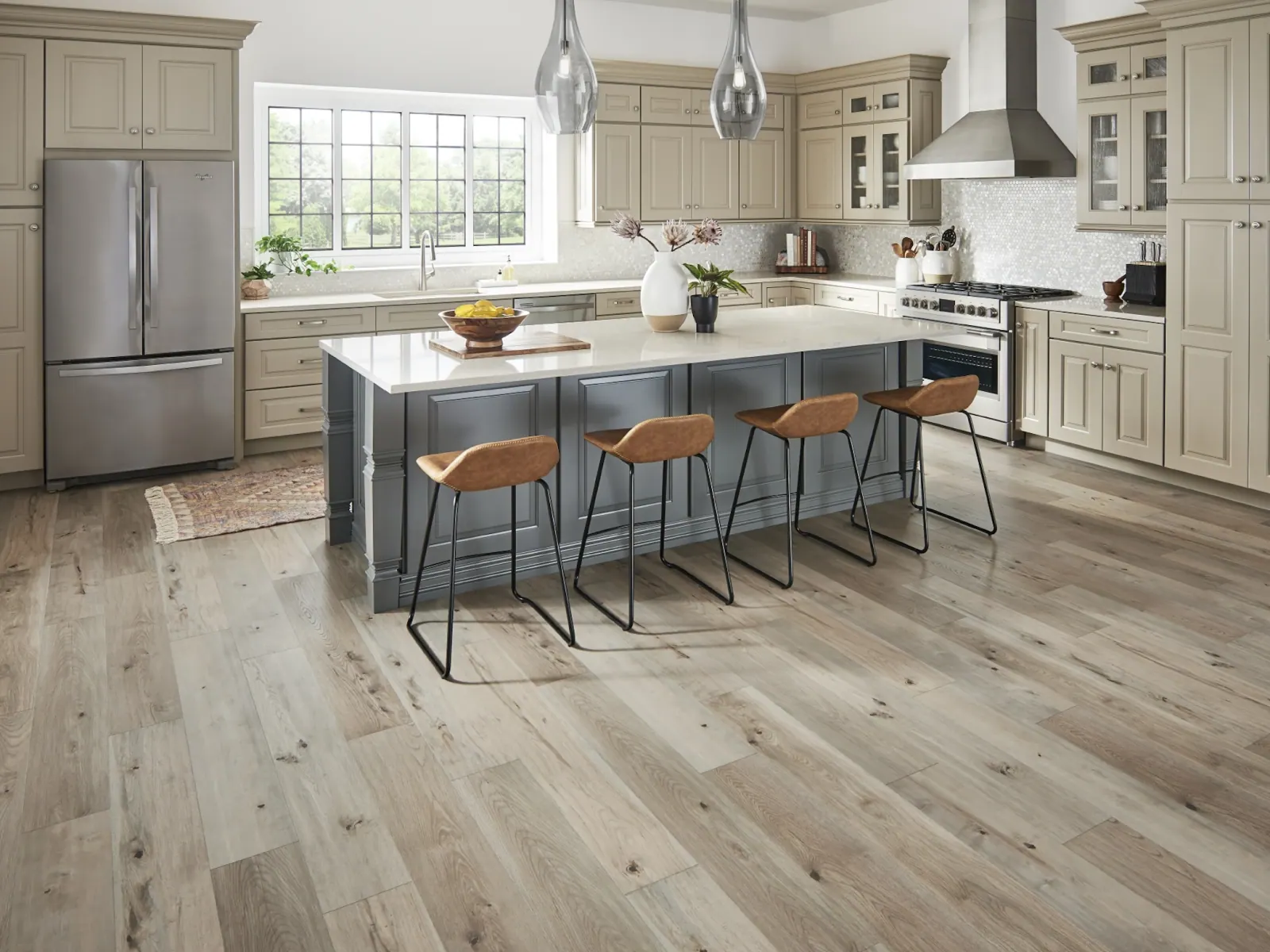
A realistic wood look with strong scratch resistance at a smart price.
Tell us the rooms and we will send a written quote. No obligation.
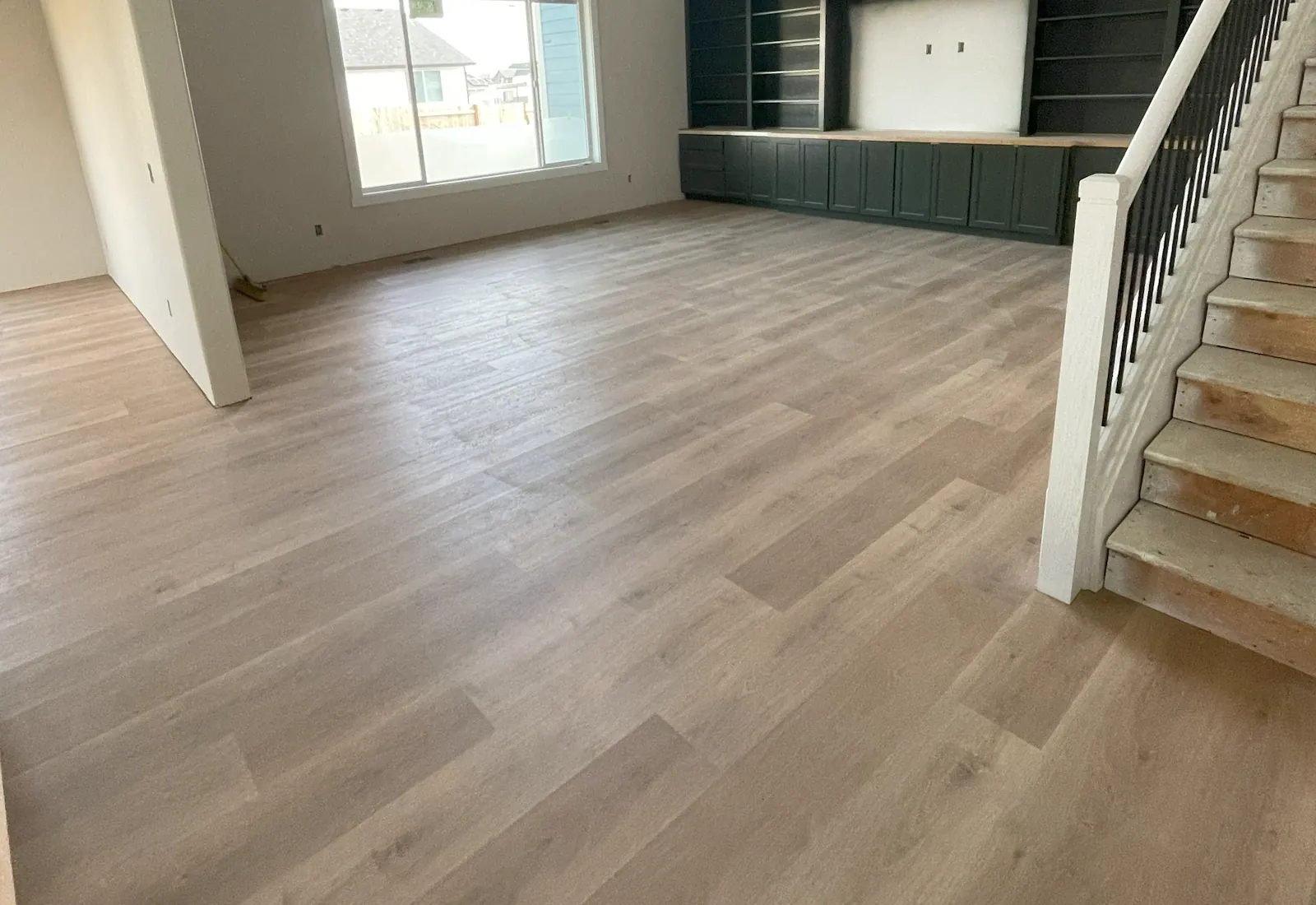
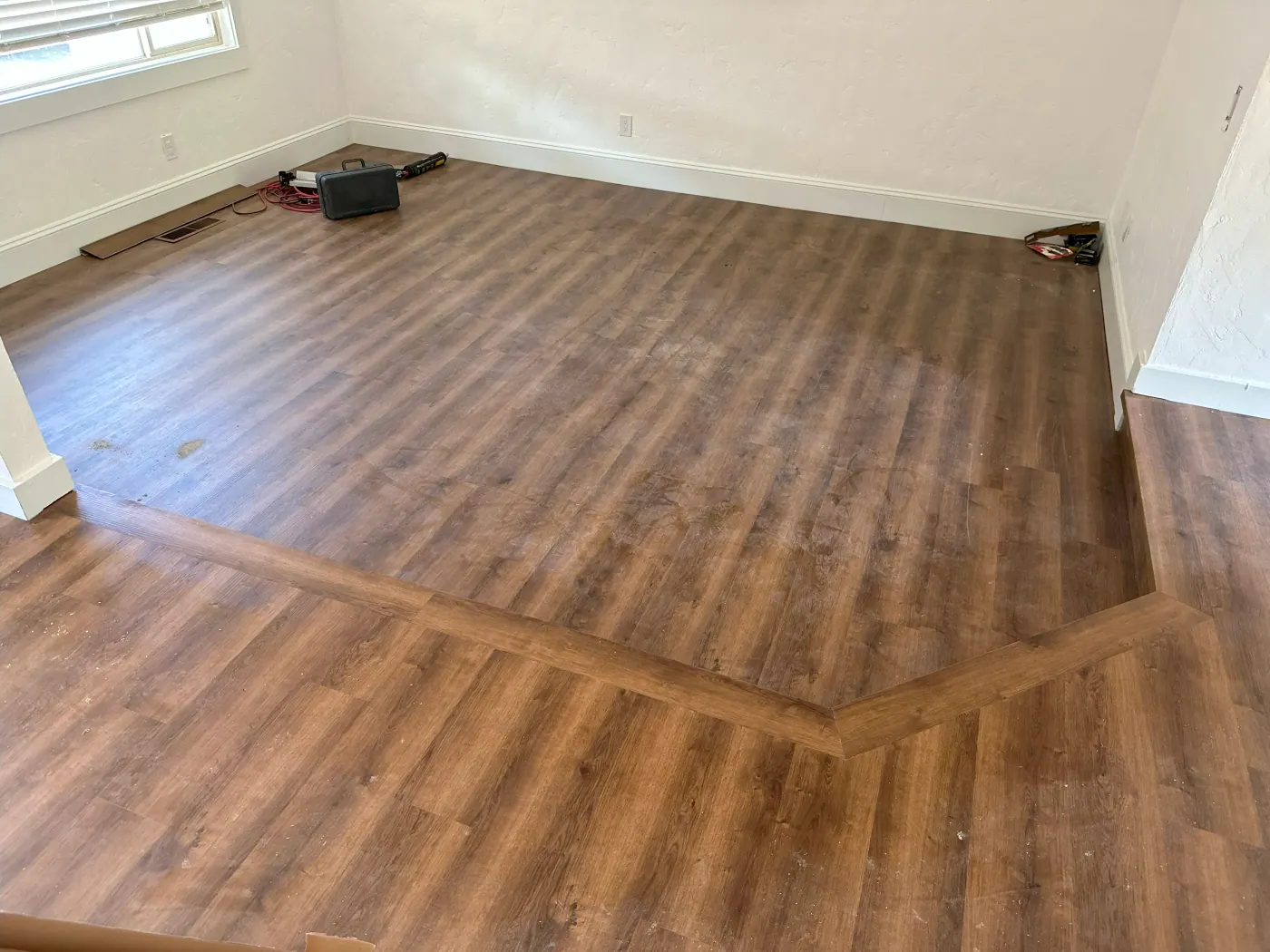
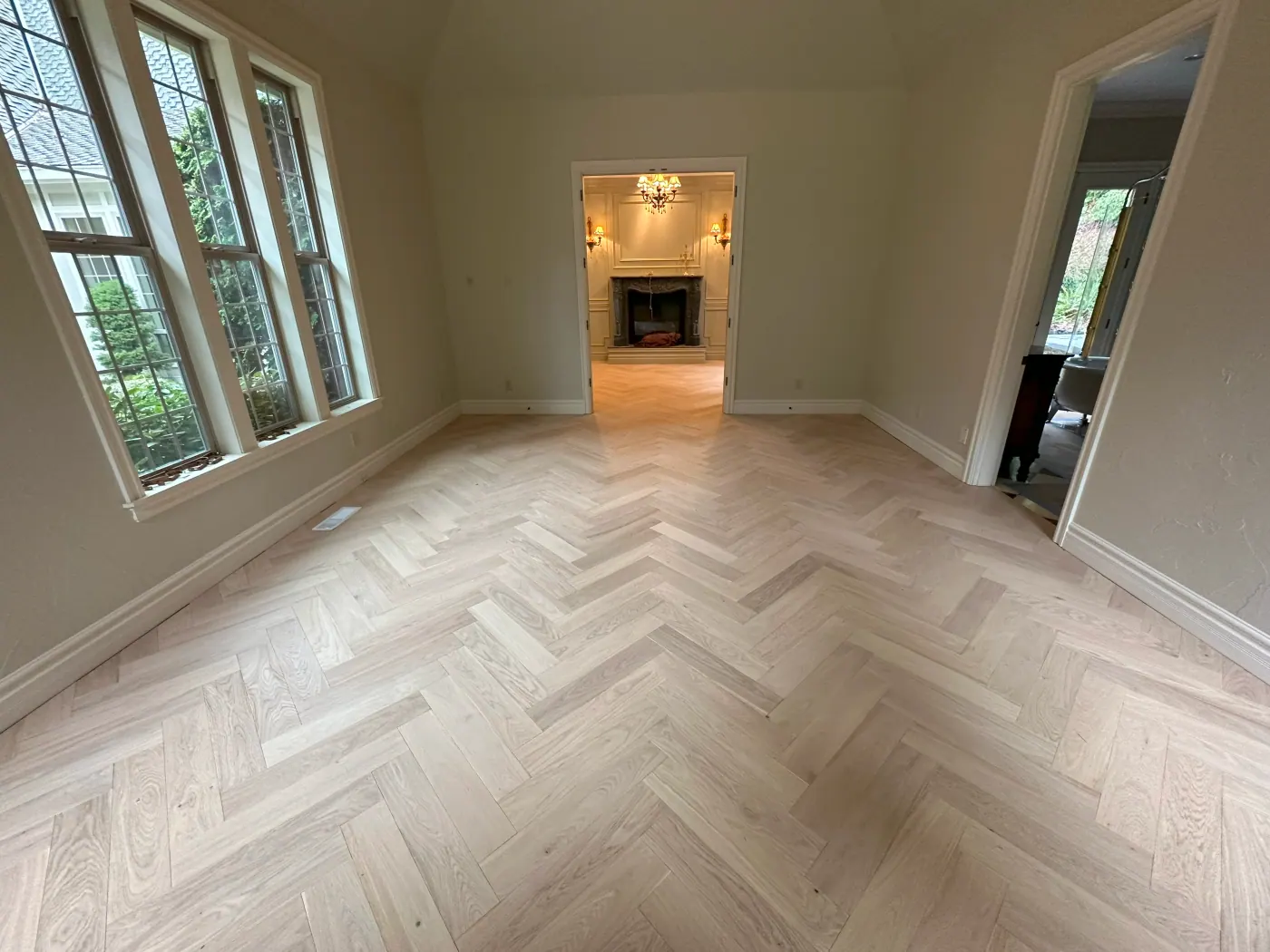
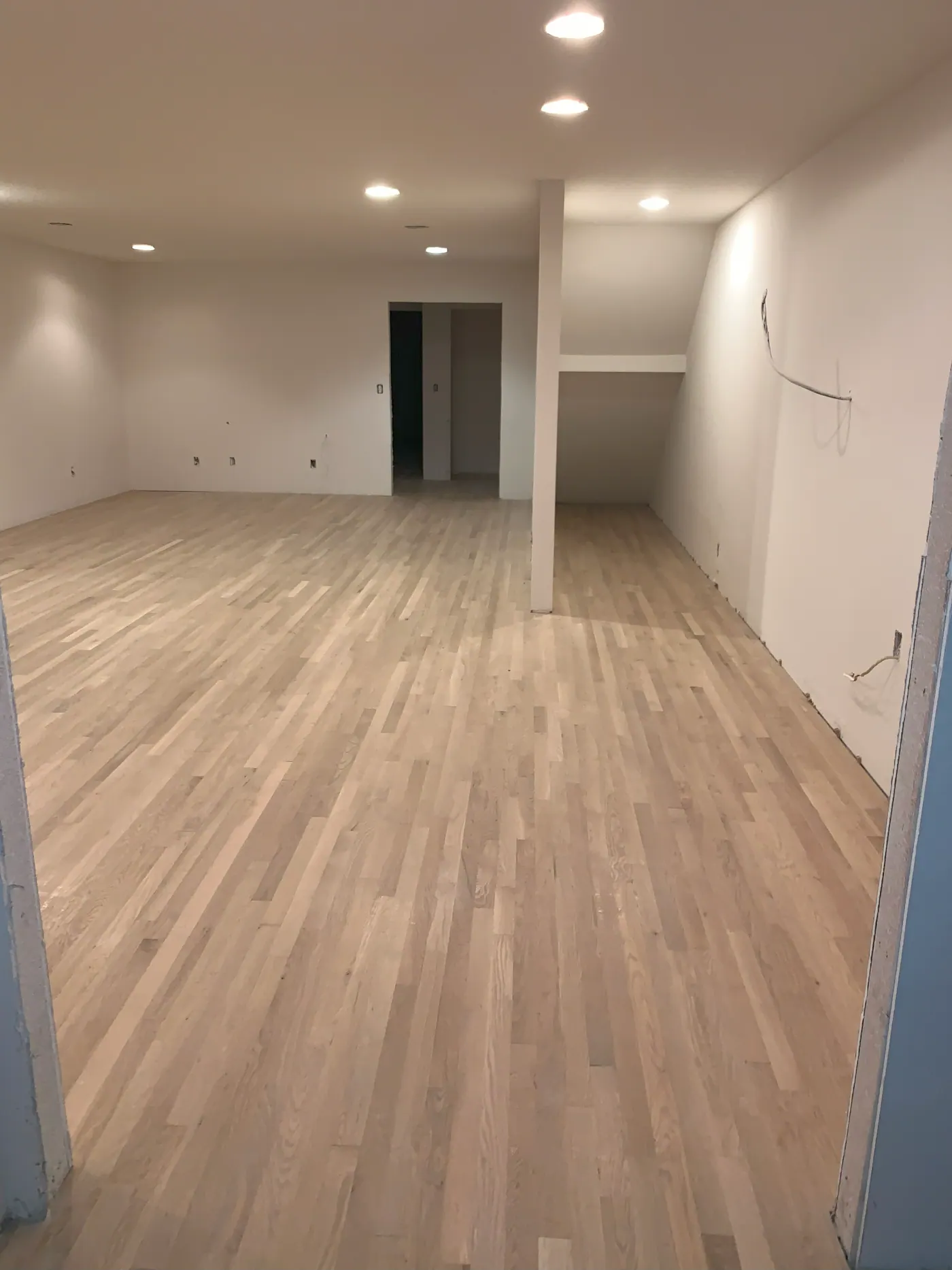
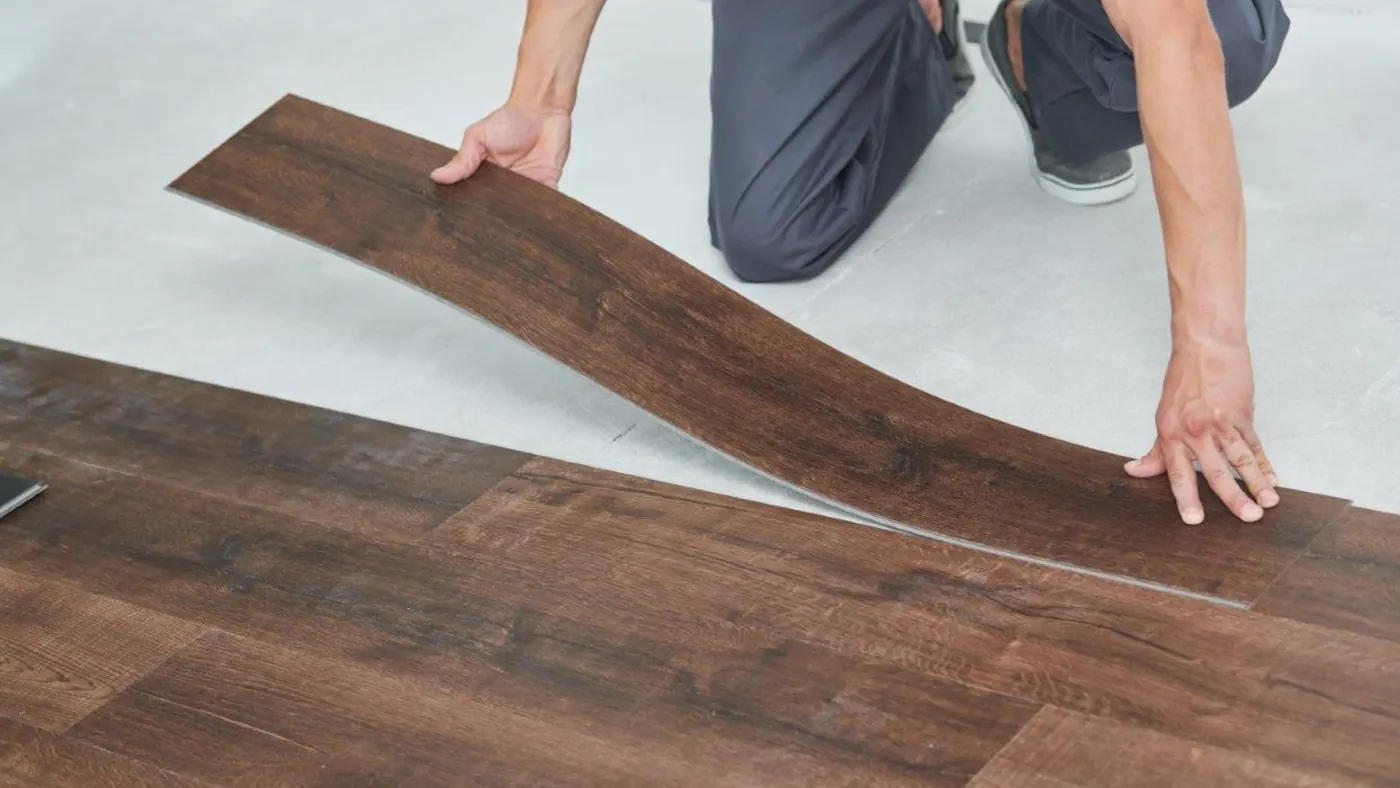
Laminate is the value pick. A high density fiberboard core carries a printed wood image under a clear wear layer, and modern laminate does a genuinely convincing job of it. Where laminate beats luxury vinyl is scratch resistance: the wear layer rating on a good laminate holds up to dog nails and dragged chairs better than most plank.
Where it loses is water. Laminate cores swell if water sits in a seam, so we steer homeowners away from it in bathrooms and laundry rooms and toward LVP or tile instead. In bedrooms, living rooms, hallways, and offices it is often the smarter spend. We help you match the AC wear rating and plank thickness to how the room actually gets used, then install with the correct underlayment, real expansion gaps, and trim that hides the gap without pinching the floor.
Laminate and luxury vinyl look almost identical on a showroom floor, but they are built from completely different materials. Two of these four layers explain every real difference: the melamine wear layer, which is why laminate out-scratches vinyl, and the fiberboard core, which is why it cannot go in a bathroom.
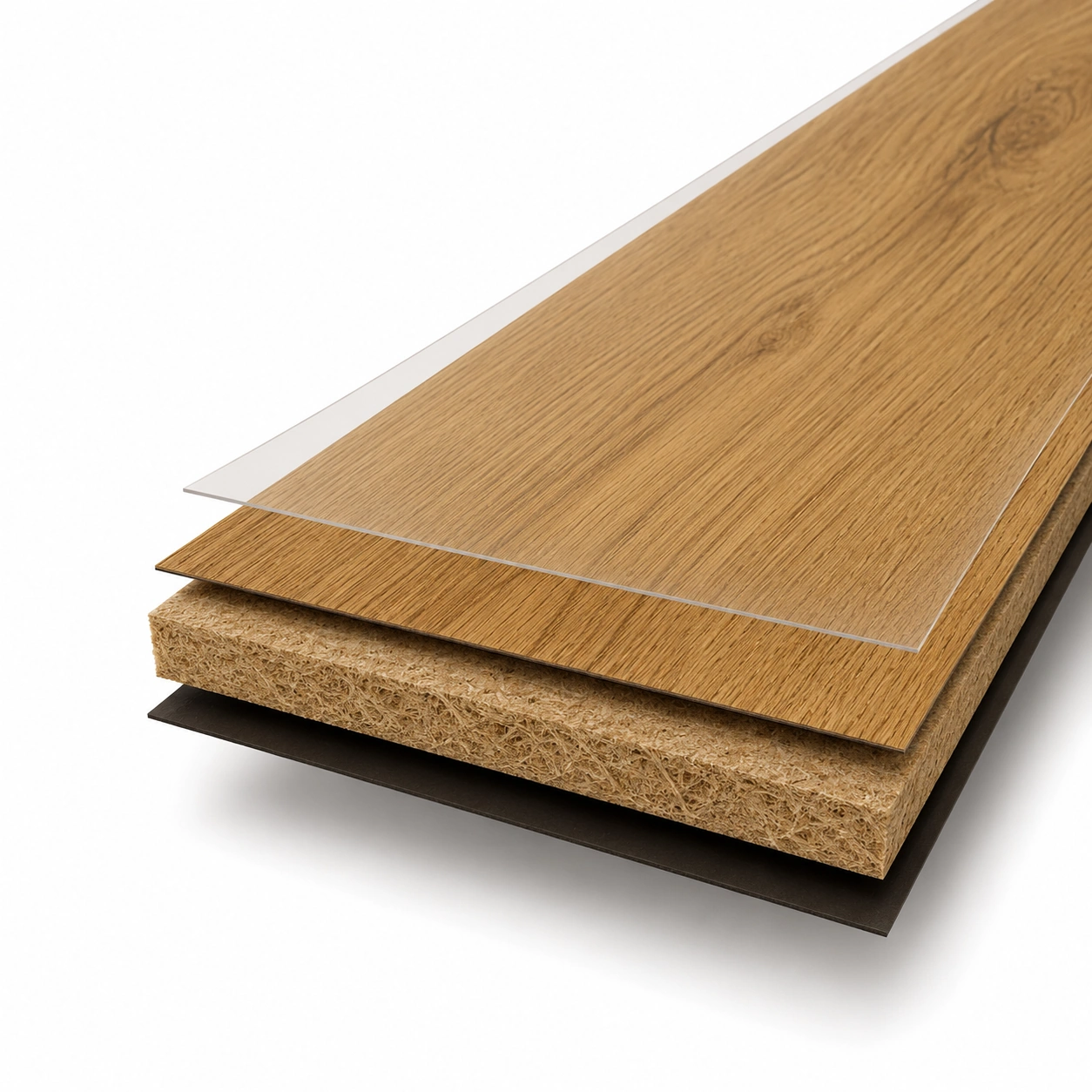
A clear melamine coat hardened with aluminium oxide. This is why laminate resists scratches better than vinyl at the same price, and the AC number tells you how much.
A printed image of real wood. Better laminate uses more unique board images and embossing that lines up with the grain, so it does not read as a repeating pattern.
Compressed wood fibre. Dense, stable and quiet underfoot, but it is still wood: if water sits in a seam long enough, this layer swells and the edge lifts permanently.
A balancing layer that keeps the plank flat and slows moisture coming up from the subfloor. It is not a substitute for a proper underlayment over concrete.
AC stands for abrasion class. It is laminate's durability scale and the single most useful number on the box, but showroom tags often bury it.
Light residential, bedrooms only
Rarely worth buying. You will see wear in a hallway within a couple of years.
Normal residential traffic
The realistic minimum for a whole home. Fine in bedrooms and quiet living rooms.
Heavy residential, light commercial
Where we point most Tulsa homeowners. Handles hallways, kids and dog nails.
Commercial traffic
More than a house needs, and you pay for it. Worth it only in an entry that takes real abuse.
AC rating measures abrasion, not water. A high AC laminate in a bathroom will still swell if water sits in a seam. The rating and the room both have to be right.
This is the only meaningful choice inside the laminate category, and it decides which rooms the floor can go in.
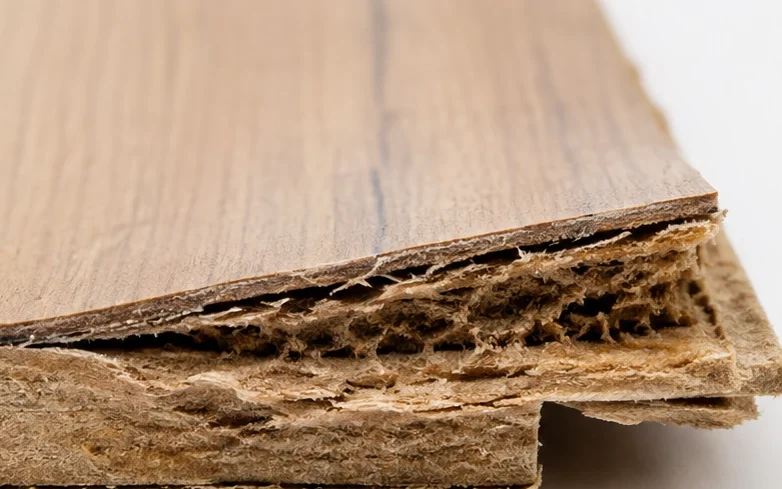 Untreated fiberboard core after water sat in the seam
 Strengths
Trade offs
Best for: Bedrooms, hallways, offices and living rooms that stay dry.
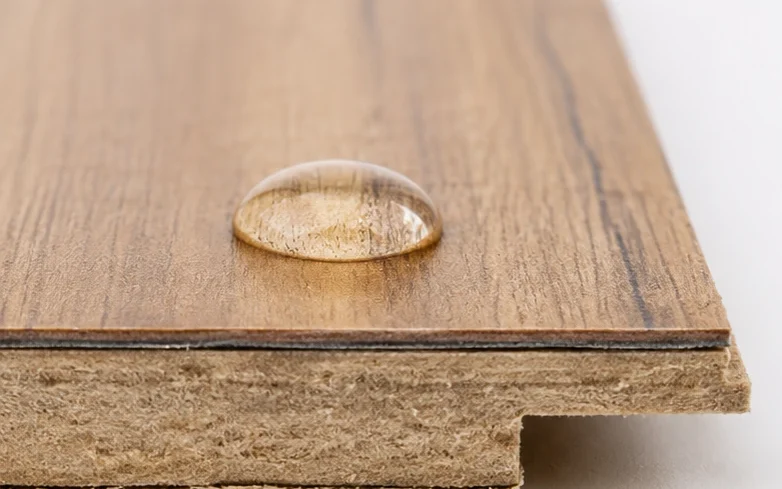 Sealed edge: a spill beads instead of soaking in
 Strengths
Trade offs
Best for: Kitchens and family homes where spills happen but the room is not a wet room.
The two most cross shopped floors we install. Laminate genuinely wins on two of the things people care about most, so here is the straight split.
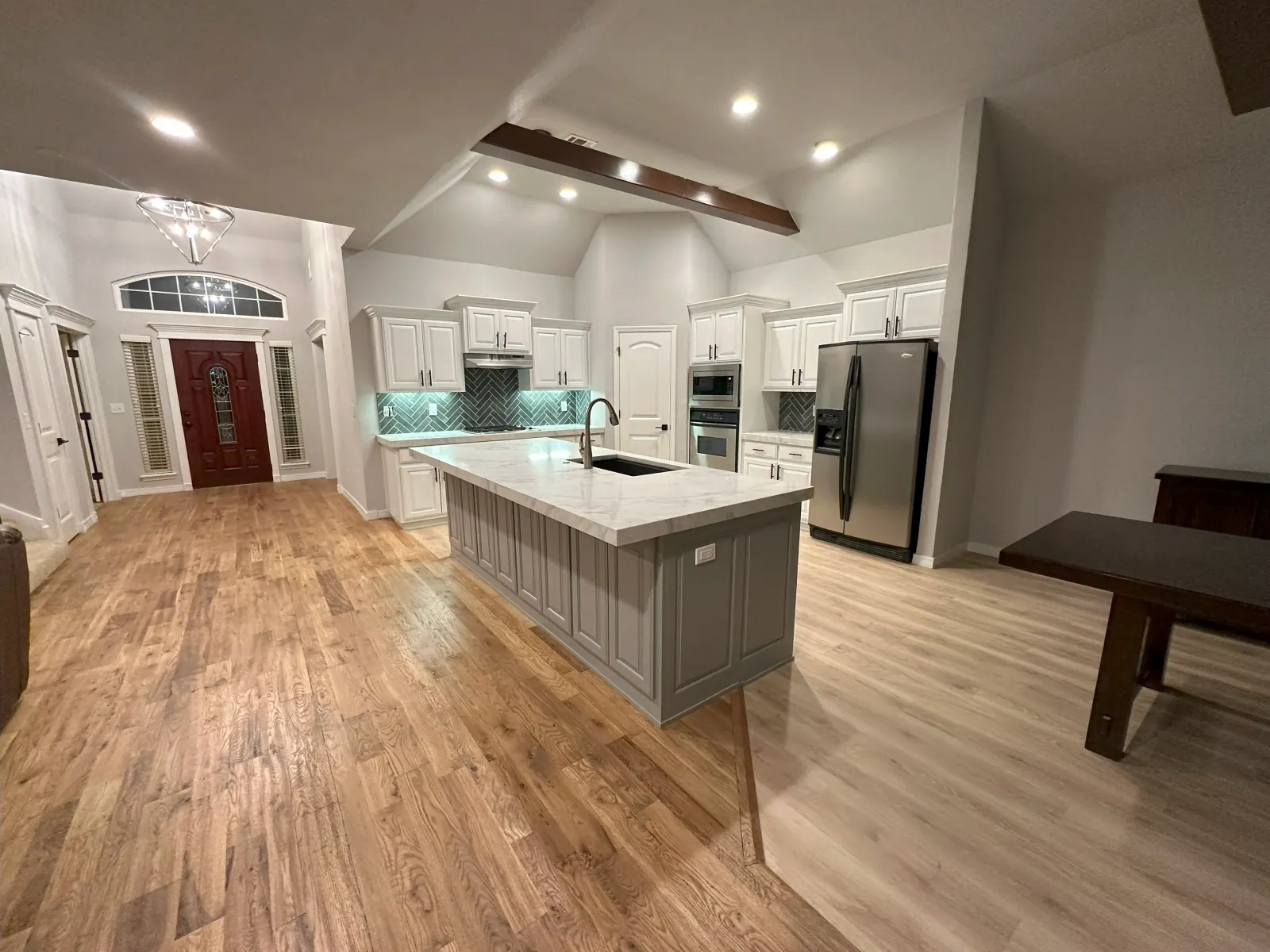
If every room in scope stays dry, laminate gives you more floor for the money and a tougher surface. The moment a bathroom, laundry room or basement is included, that room should be LVP or tile even if the rest of the house is laminate. Mixing the two is completely normal and we plan the transitions so the changeover looks deliberate.
The honest summary: laminate is the best value per square foot we install, and at AC4 or above it takes scratches better than luxury vinyl does. The catch is water. The core is wood, and no amount of surface treatment changes that. Match it to dry rooms and it is an excellent floor. Put it in a bathroom and you will be replacing it.
AC3 is fine for bedrooms and light traffic. AC4 and AC5 belong in hallways, living rooms, and homes with dogs. Paying up a rating costs less than replacing a worn floor in four years.
Thicker planks feel more solid underfoot and hide minor subfloor variation better. Under 8mm tends to feel hollow and click. We recommend based on the subfloor we find, not a catalog default.
Attached pad is convenient but thin. A separate underlayment adds sound deadening and, over concrete, the moisture barrier laminate needs. We spec it per room.
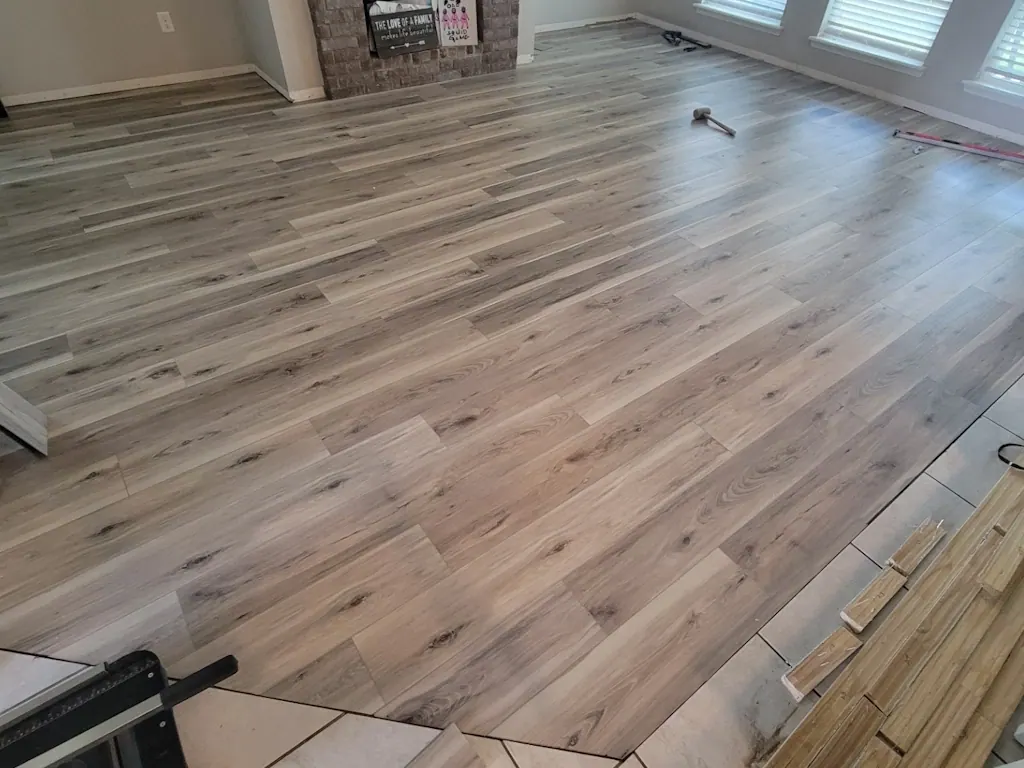
Laminate moves with humidity. Oklahoma summers make that real. We leave the manufacturer specified gap at every wall and fixed object, then cover it with trim so the floor can move without buckling.
These are laminate rooms. Low water exposure, high square footage, and the budget saved here can go toward tile or LVP in the wet zones.
Bathrooms, laundry rooms, mudrooms, and basements. We will tell you that at the estimate rather than after the floor swells.
We measure, check the subfloor, and match AC rating, thickness and underlayment to how each room actually gets used. You leave with a written line item quote.
We show you the difference between AC tiers in person so you can decide where to spend and where to save.
Old flooring out, subfloor levelled, squeaks addressed, and the correct underlayment rolled and seamed.
Planks racked so seams stagger naturally, expansion gaps held at every perimeter, and trim back on clean.
We check every room with you, tidy the site completely, and go over cleaning so the wear layer holds.
Free estimate, clear written pricing, and most installs finished in one to five days. Tell us about your project and we will send a clear written quote for luxury vinyl plank, laminate, hardwood, or tile. No obligation and no pressure.